J.K. Rowling - from dreamer to magician
The creator of Harry Potter was once a struggling teacher
Elementary / preliminary level English
The writer who made millions love reading
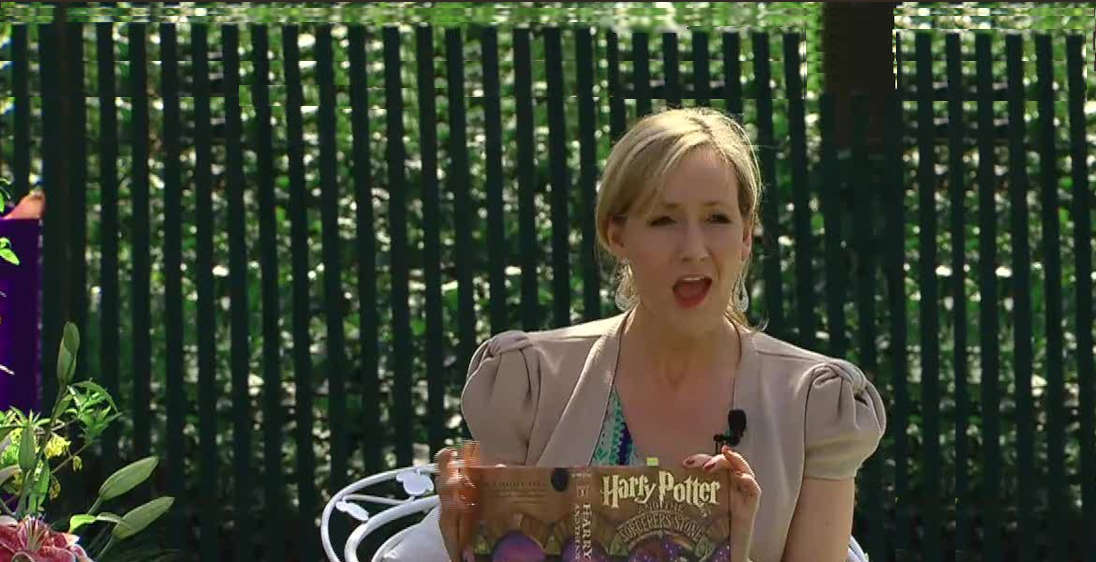
Joanne Rowling, known to the world as J.K. Rowling, is one of the most successful writers in history. Millions of readers love her books about a young wizard called Harry Potter. However, her pathroute, direction to success was not easy. It is a story of imagination, personal difficulties, and lots of determinationwill power, energy.
Joanne was born in the west of England in 1965. Her father was an engineerqualified specialist with Rolls-Royce. As a child, she loved reading and made up fantasy stories for her younger sister; she dreamed of becoming a writer. After university in Exeter, where she studied languages, Joanne worked as a researcherperson who collects information and an English teacher. In 1990, while she was on a train, she first imagined a story about a young boy who discovers he has magic powers. She began writing down her thoughtsideas, reflections immediately. Later that year, her mother died at the age of 45, which was a very sad moment for Joanne.
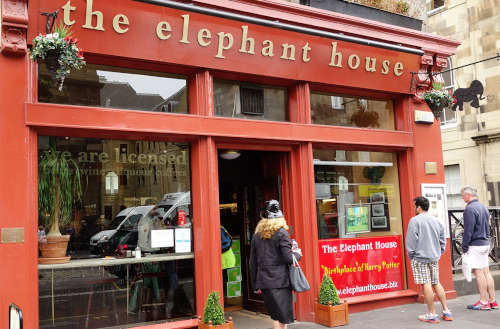
In 1991, Joanne went to teach English in Portugal, married a Portuguese journalist, and had a baby girl. Unfortunately, her marriage did not lastcontinue long, and Joanne came back to the UK. Her sister was living in Edinburgh, the capital of Scotland, so Joanne moved north to be near her. At that time, she was a single mothermother with no partner with no job and very little money; she wanted to become a secondary school teacher, but first she had to get the right diploma. It was the hardest period in her life. Yet she still had her idea about a young boy with magic powers, and was writing a story about him. She often sat in cafes in the University quarter of Edinburgh, like the Elephant House, writing over a coffee while her baby daughter slept beside her in a strollerpushchair, pram.
In 1995, Joanne finally finished her first manuscriptoriginal written text: Harry Potter and the Philosopher’s Stone. Because photocopying was quite expensive, she then typedwrote on a typewriter or keyboard out the long 90,000-word book a second time by hand, letter by letter, making small changes as she went.
She sent the story to twelve different book publisherscompanies that produce books, but none were interested. They said the story was too long for children. Joanne did not give up hope. Finally in 1997, a small publisher in London, called Bloomsbury, agreedsaid yes to print the book.
To hide her female first name, the publisher asked her to use initials instead. Just as the famous crime writer Phyllis Dorothy James became P.D. James, Joanne became J.K. Rowling so that young readers – especially young boys – would not judge the book by the gendersex (male or female) of its author.
The book was an immediate success, and young people around the world fell in love with Harry Potter, his friends, and the magical school called Hogwarts. Joanne went on to write seven books in the main series, which sold over 500 million copies worldwideacross the world and later became famous movies. The seven Harry Potter books make up the best-selling book series in history. Like a true magician, J.K. Rowling has used words to create magic, inspiring millions of young people around the world to pick up books and read.
Today, J.K. Rowling is very rich, but she uses a lot of her money to support charitiesorganisations that help people, especially ones that help single parents and children in need. Her story shows how creativity, hard work, and determination can turn a simple idea into extraordinary success.
More about J.K.Rowling - language student and language teacher.
CLEAR, CONCISE and COMPREHENSIVE
Discover grammar in a new light
"A breath of fresh air" - IATEFL Voices
Print & ebook from Amazon,
Print book from Barnes & Noble, Waterstones & other good bookshops
The story of J.K.Rowling has often been presented, in the
media, as a wonderful "rags to riches" story. That is hype, or
exaggeration.... a good story. Joanne Rowling's life was certainly "to
riches", but certainly not "from rags". As the article relates, she had
a normal middle-class childhood, in a household with professional
parents. She then went to university to study languages (French and
Latin), before doing like so many arts graduates (and doubtless many
teachers reading this page!), and going abroad to teach English. In
those days, you could teach English worldwide without needing a TEFL
diploma; a degree in languages was quite sufficient.
Joanne's "rags" period was the first years in Edinburgh,
when she experienced the classic difficulties of a young single mother,
trying to look after a child, do part time jobs, and study for a
teaching diploma at the same time. She took her PGCE at Moray House,
the teacher training college of the
University of Edinburgh. Once she had her teaching
certificate, things were easier, and she got a job as a French teacher
at Leith Academy, in Edinburgh. It was while she was teaching at Leith
Academy, that the first Harry Potter book was published.
Joanne's experience at school, as a student and later as a teacher,
gave her much of the fundamental experience that went into the writing
of the Harry Potter books; but more importantly, it was her experience
as a teacher that allowed her to write stories that would appeal to
readers of all ages.
Copyright
notice.
This resource is © copyright Linguapress
This text may not be
reproduced on other websites
nor in printed form without written permission from the publishers.
Reproduction is authorised exclusively for personal use by students, or
for use by teachers with their classes.
Student worksheet
Exercise 1: Ordering events
Put these key events from J.K.
Rowling’s life in the correct order based on the text.µ
Write a number from 1 to 8 in each box. To help you, the first event
has been identified with the number 1.
She moved to Edinburgh to be near her sister.
A small publishing company agreed to print her book.
She studied languages at university in Exeter. 1.
She got the initial idea for Harry Potter while on a train journey.
She typed out the 90,000-word manuscript a second time by hand.
She lived and taught English in Portugal.
She adopted the initials "J.K." so young readers wouldn't know her gender.
Her mother passed away at age 45.
-
Where was J.K. Rowling when she got the idea for Harry Potter?
- How many copies of the main Harry Potter series have been sold worldwide?
- What job did Joanne want to do when she moved to Edinburgh?
-
How many publishers rejected her manuscript before Bloomsbury accepted it?
-
Why did the publisher ask her to use initials like P.D. James instead of her real first name?
Exercise 3 -
Words and
spelling.
Put the missing words back into this extract from the
article. In each case, the first one or two letters are given, to help
you. Boxes will grow, to accept longer words.
A university
in Exeter, wh she studied
languages,
Joanne worked as a researcher and an English teacher. In 1990, w
she was on a train, she f imagined a story a a
young boy w
discovers he has magic powers. She began wdown
her th
immediately. L
that year, her mother died at the age of 45, w was a very sad moment
for Joanne.
In 1991, Joanne w
to teach English in Portugal, m Portuguese
journalist, and had a baby girl. Unfortunately, her m
did not l
long, and Joanne came b to the UK. Her sister w
living in Edinburgh, the capital of Scotland, so Joanne moved n to
be n
her. At that time, she was a s mother with n
job and very l
money; she wanted to b a secondary
school teacher, but first she had to get the r diploma. It was
the h
period in her life.
For teachers
Language point: the subheading:
The writer who made millions love reading - the signicance of an s.It is important to note that the second verb in this sub-heading: it is "love", not "loves"
The sentence means "J.K.Rowling made millions of people love reading"
It does not say
The writer who made millions loves reading, which would have a completely different meaning, i.e.
The writer who made millions (of pounds or dollars) loves reading.... i.e. J.K.Rowling loves reading..... which is true, but is not stated!
Not noticing little but significant details like this, can cause a complete misunderstanding of a text.
Exercise 3 - missing words.
This exercise focuses on signficant vocabulary.
Lesson plan:
Start by asking your class how many of them have seen one of the Harry Potter films; it may well be all your students. Now ask how many of them have read one of the books... and if so, in what language? Conduct this discussion in the class's working language. Once the ice has been broken, get pupils to say, preferably in English, some of the things they know about Harry Potter. And then, some of the things they know about his creator, J.K.Rowling. That will probably be a lot less. By now your students will have some interest in the subject, so it is time to study the article.There are some difficult words that are deliberately not accompanied by a pop-up explanation. For example "wizard" ..... Students should be able to guess what this word means.
The article mentions Portugal, followed by the adjective Portuguese (note the spelling); use this example to check out ot countries and the adjectives attached to them. Get your students to make suggestions, for instance Spain Spanish, France French, Japan Japanese. You could also play a short game.... starting with Portugal, get students to name a neighbouring country (has to be Spain in this case), and then keep going in a chain.
Grammar:
Several interesting points of English grammar are illustrated with this article: in particular, pay attention to...Different uses of the infinitive
A. Infinitives of purpose (in order to / why)
...Joanne moved north to be near her." (Moved north in order to be near her)"
...she was studying again, to become a secondary school teacher." (Studying in order to become a teacher)"
...used words to create magic, (used words in order to)
B. Verb + Infinitive complement
...agreed to print the book in 1997. (Verb + infinitive complement)
...asked her to use initials instead. (Verb + object + infinitive)
...inspiring millions of young people to pick up books and read. (Verb + object + infinitive)
C. Verb + Object + Infinitive Structure
...asked her to use initials instead.
...inspiring millions of young people around the world to pick up books and read."
For more see Infinitives
Defining and non-defining relative clauses
Defining Relative ClausesDefining relative clauses are essential for the understanding of the narrative
"...a story about a young boy who discovers he has magic powers."
"...charities, especially ones that help single parents and children in need."
"...a young wizard called Harry Potter." (Reduced relative clause, meaning: who was called)
"...the magical school called Hogwarts." (Reduced relative clause, meaning: which was called)
"...a small publisher in London, called Bloomsbury..." (Reduced relative clause, meaning which was called)
"...after university in Exeter, where she studied languages..."
"...her mother died at the age of 45, which was a very sad moment for Joanne."
"...seven books in the main series, which sold over 500 million copies worldwide and later became famous movie
© linguapress.com